

Is St. Stephen’s Basilica Worth Visiting? An Honest Review
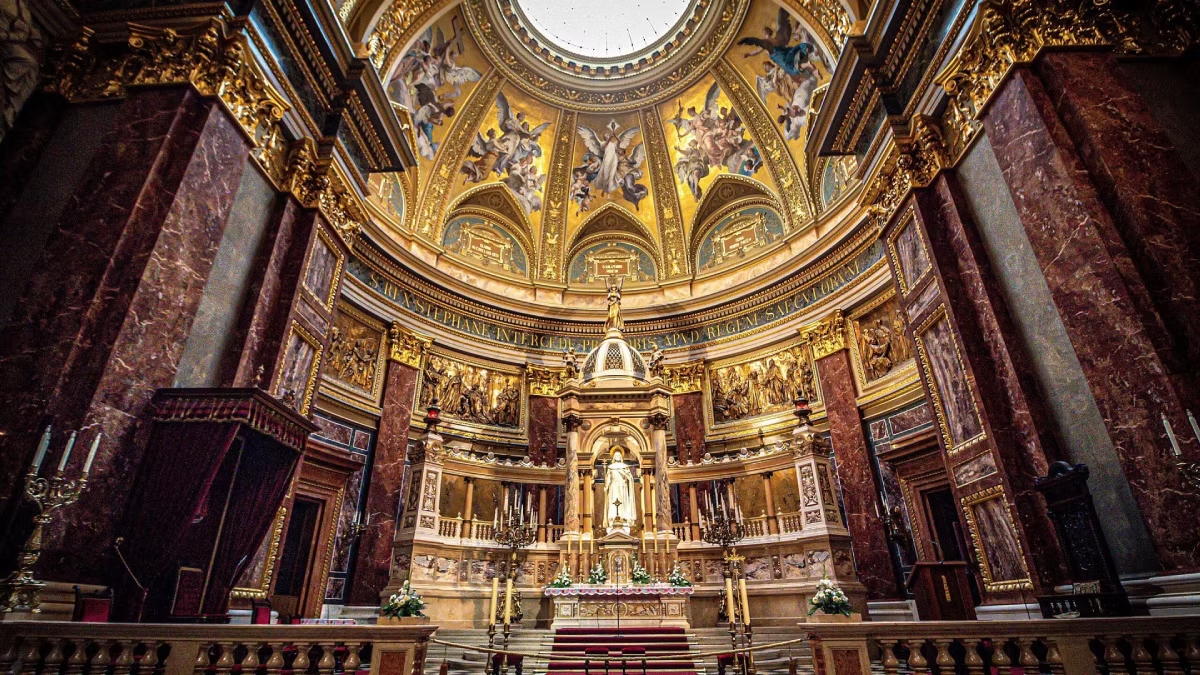
Yes, for most visitors. The interior is free to step into and genuinely striking, the panorama terrace ranks among Budapest’s best views, and the Holy Right Hand relic and evening concerts add real substance. The honest caveats: the nave is smaller than St. Peter’s-scale expectations, the terrace elevator can queue, and concerts are sold as an upsell rather than included.
Budapest’s largest church draws crowds for a reason, but “worth it” depends on what you’re weighing it against and how you plan your visit. This review is a balanced verdict, not a sales pitch — it covers what genuinely earns the basilica a place on your itinerary and what might disappoint if you go in with the wrong expectations.
Below, the honest case for and against, who will love it, and a clear recommendation at the end.
The Case For: What Makes It Worth It
The strongest arguments for visiting are the grandeur of a free-to-enter interior, one of Budapest’s best panoramic views from the dome terrace, the Holy Right Hand relic, evening concerts with strong acoustics, and a location so central you’ll likely pass by anyway.
The interior is free and genuinely grand. Stepping into the nave to look, pray, or simply sit for a few minutes costs nothing — only sightseeing beyond a quick look is ticketed. Under the 96-meter dome, the gilded high altar and mosaic-covered ceiling deliver real visual weight for the price of walking through the door.
The panorama terrace is one of the best views in the city. At 96 meters — tied with the Hungarian Parliament as the tallest structure allowed in Budapest — the terrace gives an open 360° view over the rooftops, the Danube, and the Buda hills. Few viewpoints in the city match it for a central, unobstructed panorama.
The Holy Right Hand is a genuinely rare thing to see. The mummified right hand of King St. Stephen I, Hungary’s founding king, sits in a reliquary chapel behind the main altar. It’s not a replica or a curiosity for tourists — it’s the country’s holiest relic, still central to an active feast-day procession every August 20.
Evening concerts make the space sing, literally. The nave’s acoustics are strong, and the regular organ and classical concerts held there in the evening are a different experience from a daytime walk-through — quieter, atmospheric, and about an hour long.
You’ll probably walk right past it anyway. Sitting on Szent István tér in central Pest, a short walk from the Danube and the Parliament, the basilica sits naturally on most walking routes through the city center, so visiting doesn’t cost much in detour time.
The Honest Cons
The interior is smaller and less overwhelming than St. Peter’s-scale basilicas elsewhere in Europe, the second elevator to the terrace can queue in the afternoon, concerts are sold separately rather than bundled with entry, and midday brings the thickest crowds.
The interior is smaller than you might expect. St. Stephen’s Basilica holds around 8,500 people and is the largest church in Budapest, but it’s not on the scale of Rome’s or Milan’s grand basilicas. If you’ve built up expectations from photos of Europe’s biggest cathedrals, the nave here can feel more intimate than monumental.
The terrace elevator queue is a real friction point. Reaching the dome involves two connecting elevators or roughly 360 steps, and the second elevator is small — around four people at a time — so it can back up in the busy afternoon window. Arriving early or booking ahead helps avoid standing in line for the view.
Concerts are an upsell, not a bonus. The organ and classical concerts are ticketed separately from basilica entry, so if you want that evening experience, budget for it as its own line item rather than assuming it’s folded into a sightseeing ticket.
Midday is genuinely crowded. Tour groups cluster around late morning and early afternoon, which is when both the church hall and the terrace elevator feel busiest. It doesn’t ruin the visit, but it does take some of the calm out of it.
Who Will Love It
Travelers who want a manageable, central introduction to Budapest’s skyline and history will get real value here: the view alone justifies the terrace ticket for most first-time visitors, and the free interior makes it easy to check the basilica out even on a tight schedule. It also rewards anyone with an interest in the Holy Right Hand relic or Hungarian history — King St. Stephen I is the namesake and the connection is more than decorative. Concertgoers and photographers looking for golden-hour views over the Danube tend to come away especially satisfied.
Who Might Skip the Paid Terrace
If you’ve already climbed Fisherman’s Bastion or another Budapest viewpoint on the same trip, the terrace view here — while excellent — may feel like a repeat rather than a must-do, and it’s reasonable to stick to the free interior instead. Travelers uncomfortable with elevators or stairs, or those short on time and prioritizing other sights, can visit the church hall for free, take in the altar and the relic, and move on without feeling they missed the main event. The panorama terrace is a highlight, not an obligation.
Our Verdict
St. Stephen’s Basilica is worth visiting for nearly everyone who’s already in Budapest. The free interior alone justifies a stop, and the panorama terrace, while an added expense with a possible elevator queue, delivers one of the city’s best views for a modest ticket price. Go in expecting a working parish church rather than a St. Peter’s-scale spectacle, plan around midday crowds, and treat the concerts as an optional extra rather than a given — with those expectations set correctly, it earns its place on a Budapest itinerary. See our ticket prices guide to decide which combination suits your visit and budget.
Frequently Asked Questions
Is St. Stephen’s Basilica worth visiting?
Yes, for most travelers. The interior is free to enter and visually striking, the panorama terrace is one of Budapest’s best views, and the Holy Right Hand relic adds genuine historical weight. The honest downsides are a smaller-than-expected nave, elevator queues to the terrace, and separately ticketed concerts.
Is the panorama terrace worth the extra cost?
For most first-time visitors, yes — the 360° view over Budapest from 96 meters is hard to match elsewhere in the city center. If you’ve already seen a comparable Budapest viewpoint or you’re short on time, it’s reasonable to skip it and stick to the free church hall.
Is St. Stephen’s Basilica free to enter?
Coming to pray or attend Mass is always free, and stepping into the nave briefly is generally possible without a ticket. Longer sightseeing of the church hall, the treasury, and the panorama terrace requires a paid ticket, since the basilica is both an active parish and a monument funding its own upkeep.
How does it compare to St. Peter’s Basilica or other major European churches?
It’s smaller. St. Stephen’s Basilica holds about 8,500 people and is Budapest’s largest church, but it doesn’t match the sheer scale of St. Peter’s or Milan’s cathedral. Visitors expecting that scale sometimes find the nave more intimate than they anticipated, though the dome and altar are still impressive.
Is it worth going to an evening concert there?
If the schedule fits, yes — the acoustics are strong and the atmosphere is different from a daytime visit. Just budget for it separately, since concert tickets are sold apart from basilica entry rather than bundled in.
How long should I spend there?
Most visitors spend 45 minutes to an hour and a half, split between the church hall and, if included, the terrace and treasury. Add extra time if you’re visiting in the busy midday window, since the terrace elevator queue can slow things down.
Is it worth visiting if I’ve already seen the Parliament building?
Yes — they’re different experiences. The Parliament tour focuses on political history and interior grandeur, while the basilica offers a working church, the Holy Right Hand relic, and a rooftop view instead of a building tour. Many visitors do both, since they’re a short walk apart.
What’s the best way to avoid the downsides?
Arrive near opening or in the late afternoon to skip the midday crowd, and book your terrace ticket ahead of time to reduce the elevator wait. If concerts interest you, buy that ticket separately and treat it as its own outing rather than an add-on.
