

St. Stephen’s Basilica Accessibility Guide: Step-Free Access
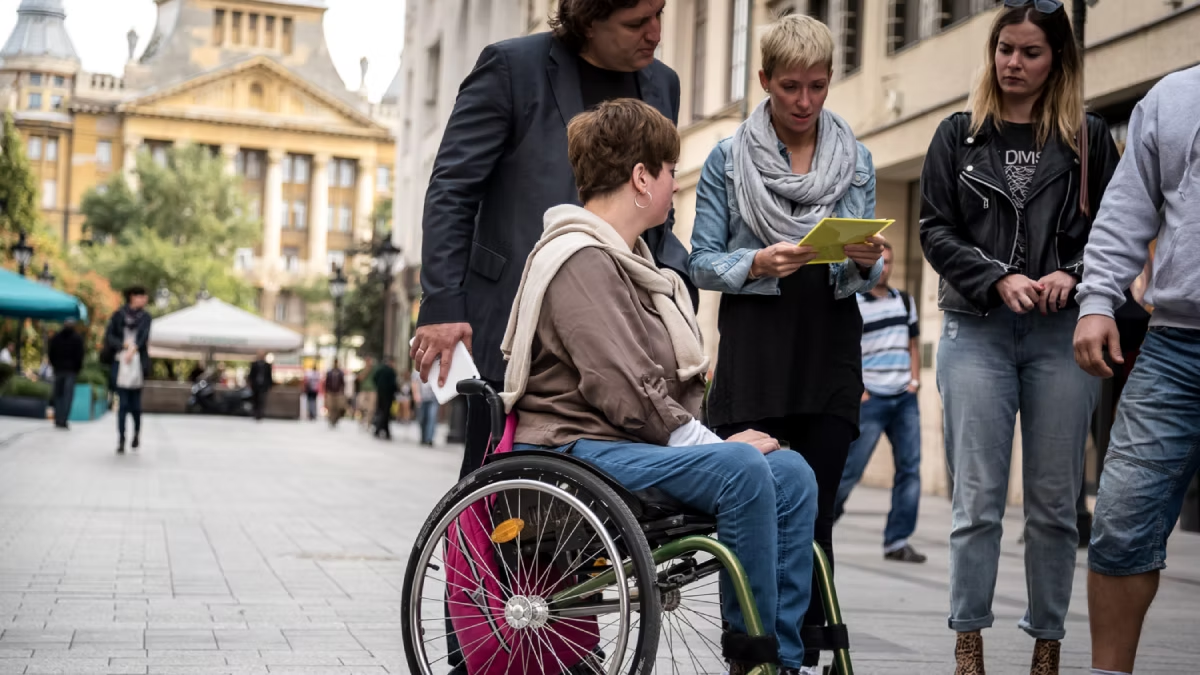
The church hall at St. Stephen’s Basilica is largely step-free, with a ground-level nave that wheelchair and stroller users can navigate comfortably. The panorama terrace is reached by two connecting elevators — mostly step-free, though the small second elevator can queue and a few steps may be involved depending on the route, so it’s worth confirming current access with the basilica before you go. The square outside is flat and pedestrian, and accessible toilets are nearby.
St. Stephen’s Basilica is one of the more accessible major sights in central Pest, largely thanks to its level entrance and open nave, but the building is over a century old and some areas — particularly the climb to the dome — involve more nuance than a modern attraction. This guide sets out what to expect in the church hall, on the panorama terrace, and around the square, so you can plan with confidence.
Because access details (lift status, temporary works, staff assistance) can change, we’ve tried to be honest about where things vary. If accessibility is central to your visit, we’d still recommend a quick check with the basilica directly before you travel.
Church Hall: Step-Free Access
The main church hall, including the nave, the gilded high altar, and the Holy Right Hand chapel, is on a single level and is largely accessible to wheelchair users and strollers. The entrance is close to ground level, and the interior aisles are wide enough for most mobility devices. This is the part of the basilica most visitors come for, and it’s the easiest zone to navigate.
The nave is where most of the basilica’s highlights sit — the high altar, the mosaics, and the Holy Right Hand relic chapel behind it — and this whole area is at ground level with no significant steps to get in or move around. Stone floors are generally smooth, though they can be uneven or slightly worn in places given the building’s age, so wheelchair users may notice some texture underfoot. If you’re visiting mainly to see the interior rather than climb to the terrace, the church hall alone makes for a comfortable, largely step-free visit. Our guide to what to see inside covers the highlights in more detail.
Strollers are generally fine in the church hall as well, though during busy periods or Mass it’s considerate to keep to the side aisles rather than the center of the nave.
Panorama Terrace: Elevators, Queuing & a Few Steps
The panorama terrace beneath the dome is reached by two connecting elevators rather than the roughly 360-step staircase, which makes it accessible for many visitors with mobility needs. However, the second, smaller elevator holds only about four people and can queue in the afternoon, and depending on the exact route there may be a short stretch of steps between elevators or at the terrace itself. Because this can vary, confirm current wheelchair access to the terrace with the basilica before you go.
The dome terrace is the one part of a visit where accessibility is genuinely mixed, and we want to be straightforward about that rather than overpromise. Two elevators connect in sequence to lift visitors most of the way up, which spares everyone the full staircase climb. The first elevator is the larger of the two; the second is small, seats only a handful of people, and is the main bottleneck — expect it to queue, especially in the afternoon when the terrace is busiest. Some reports describe a short run of steps at one point in the route or at the terrace platform itself, though this can depend on the exact circulation in use at the time. If you use a wheelchair or have significant mobility limitations, it’s worth calling ahead or checking the basilica’s official website to confirm what the terrace route currently involves, since we’d rather send you there for a firm answer than guess. Visitors who prefer not to risk the terrace but still want to see the interior can enjoy the church hall on its own ticket.
Accessible Toilets
Accessible toilets are available near the basilica, and staff at the ticket office or information point can direct you to the nearest one on request. As with many older buildings in central Pest, facilities inside the church itself are limited, so it’s worth using a toilet before or after your visit rather than assuming one is close to every part of the interior.
Getting to the Square: Flat & Pedestrian
Szent István tér, the square in front of the basilica, is flat, paved, and largely pedestrianized, which makes the immediate approach easy for wheelchairs and strollers alike. The nearest metro stations, Bajcsy-Zsilinszky út (M1) and Arany János utca (M3), are a short, level walk away, though as with much of Budapest’s older transit infrastructure, step-free access at individual metro stations can vary — check current station accessibility if you’re relying on the metro. Trams and buses also stop within easy reach of the square. Cafés around the square have outdoor seating that’s simple to reach without navigating curbs or stairs.
Wheelchair & Stroller Notes
A few practical points for wheelchair users and parents with strollers:
- The main entrance to the church hall is close to ground level; ask staff if a specific accessible entrance or route is in use on the day.
- Aisles inside the nave are generally wide enough for a wheelchair or a standard stroller, though the busiest midday hours can make maneuvering tighter.
- The terrace route depends on both elevators working and the second elevator’s queue — allow extra time and consider visiting earlier in the day when it’s calmer.
- If you’re touring with a group or on a guided option such as our Tower Access Tour, mention any mobility needs when booking so the guide can plan the route accordingly.
Sensory Notes
The basilica is a large stone space, so sound carries — this is part of what makes the organ and classical concerts so effective, but it also means the volume can be considerable for visitors sensitive to loud or reverberating sound, particularly during a full concert or a High Mass with organ and choir. Outside of services and concerts, the interior is generally calm. Crowds build steadily toward midday and can feel dense in the nave and on the terrace during peak hours, so if crowding or noise is a concern, aim for the 9 AM opening or the later afternoon, when both the church hall and the terrace tend to be quieter.
Getting Assistance
If you have specific accessibility needs — a particular mobility device, a request for staff assistance, or a question about the terrace elevators on a given day — the most reliable source is the basilica’s own contact channels via its official website, since on-the-ground conditions can change. Ticket office staff at the entrance can also help on arrival, including pointing you to the nearest accessible toilet or advising on the current terrace route. We’d rather point you to the basilica directly for anything time-sensitive than give you an answer that might be out of date.
Frequently Asked Questions
Is St. Stephen’s Basilica wheelchair accessible?
The church hall — the nave, high altar, and Holy Right Hand chapel — is largely step-free and accessible to wheelchair users. The panorama terrace is reached by two elevators rather than the stairs, which helps, but access there is more variable and may involve a short stretch of steps or a wait for the small second elevator, so confirming ahead with the basilica is a good idea.
Can I reach the panorama terrace without climbing stairs?
Mostly, yes. Two connecting elevators serve the terrace as an alternative to the roughly 360-step staircase. The second elevator is small and can queue, and depending on the route there may be a few steps involved at some point, so travelers who need a fully step-free path should check current access with the basilica before visiting.
Are there accessible toilets at the basilica?
Yes, accessible toilets are available nearby, and staff can direct you to the closest one. Facilities inside the historic church itself are limited, so it’s sensible to plan a toilet stop before or after your visit.
Is the square outside the basilica easy to navigate with a wheelchair or stroller?
Yes. Szent István tér is flat, paved, and largely pedestrian, making the approach to the basilica straightforward. The nearest metro stations are a short, level walk away, though step-free access at individual stations can vary, so check ahead if you’re relying on the metro.
Are strollers allowed inside the church hall?
Yes, strollers are generally fine in the church hall, which is on a single level with reasonably wide aisles. During busy periods or services, it helps to keep to the side rather than the center aisle out of consideration for worshippers.
Will it be loud inside, especially during a concert?
It can be. The basilica is a large stone space with strong natural acoustics, which is part of what makes its organ and classical concerts so striking, but the volume can be significant for sound-sensitive visitors, particularly during a full concert or High Mass. Outside of services, the interior is generally calm.
When is the basilica least crowded for an easier visit?
Right at the 9 AM opening and in the later afternoon tend to be calmest, both in the church hall and on the terrace, where the small second elevator’s queue is worst around midday. Visiting outside peak hours makes navigating with a wheelchair, stroller, or sensory sensitivities noticeably easier.
Who can I contact about specific accessibility needs before my visit?
The basilica’s official website and ticket office are the best sources for current, specific guidance, since elevator status and access routes can change. It’s worth confirming ahead if you have a particular mobility device or a time-sensitive question about the terrace.
