

St. Stephen’s Basilica: What to See & Highlights
From the stunning interior architecture to the sacred Holy Right Hand, explore every highlight of Budapest’s most iconic basilica.
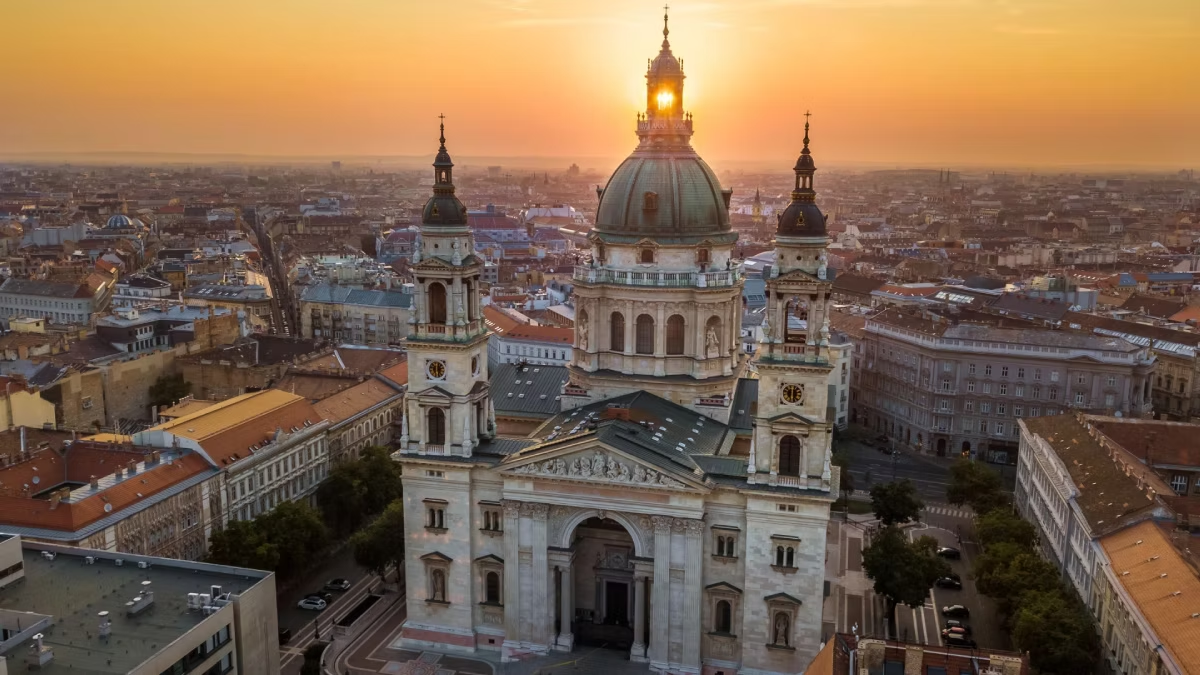
Top Highlights at St Stephens Basilica
The headline sights and experiences most visitors want to see first.
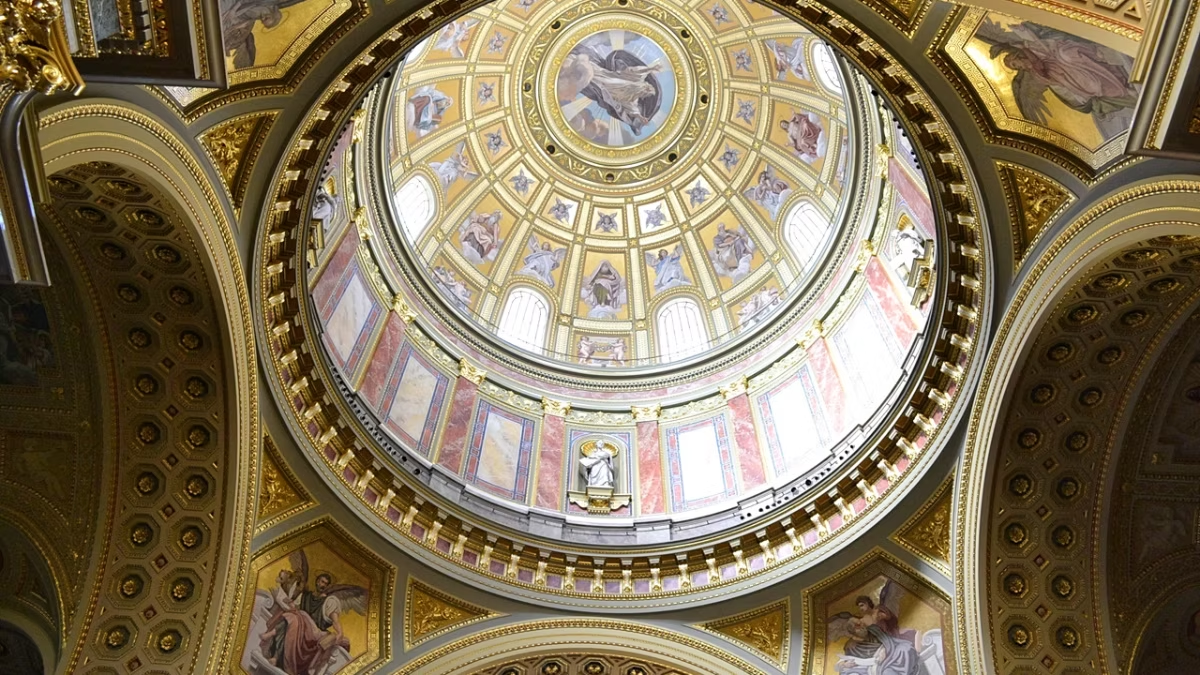
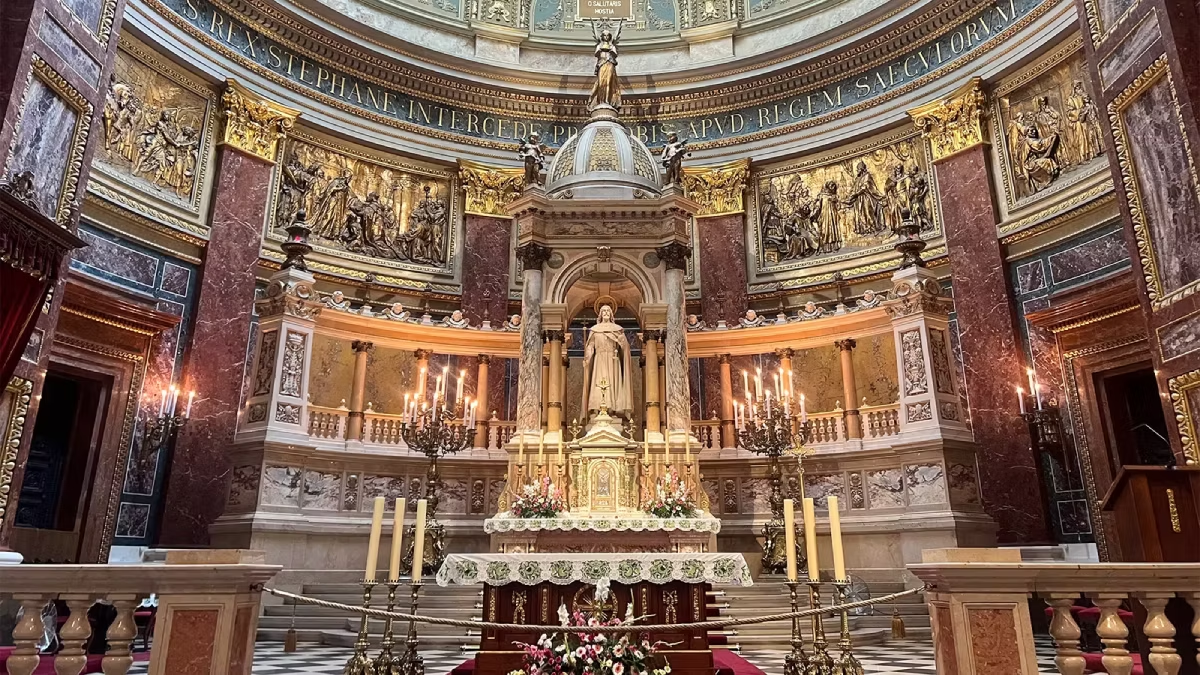
Basilica Interior: Dome, Altar & Chapels
Step inside to see the gold-and-marble interior up close — the mosaic-lined dome rising 96 meters, the Carrara marble statue of St. Stephen at the main altar, and painted side chapels lining the Greek-cross hall. Allow 20–40 minutes to take it all in.
Explore →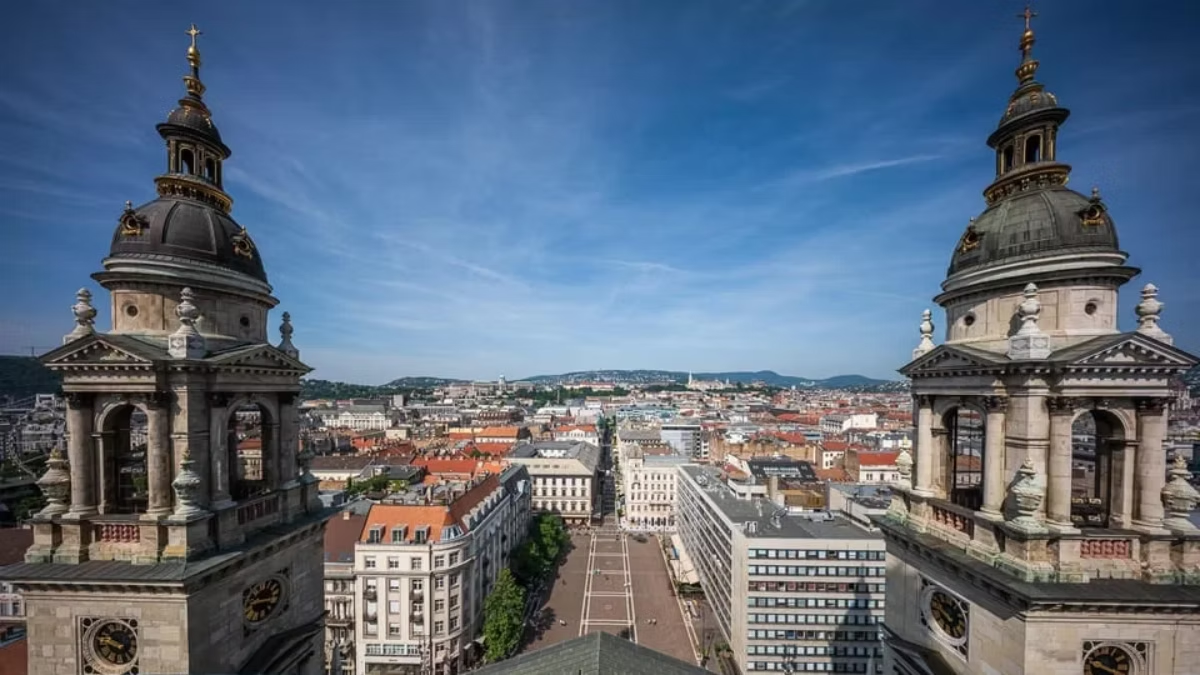
Panorama Terrace 360-Degree Views
The panorama terrace sits 96 metres up at the base of the dome, offering unobstructed 360-degree views across Budapest — Parliament and the Danube bridges to the north, the Buda hills to the west, and Pest’s rooftops stretching in every direction. Two elevators or roughly 360 stairs get you there, and access comes bundled with the terrace-and-treasury ticket.
Explore →Inside St Stephens Basilica
What you’ll see when you step through the doors.
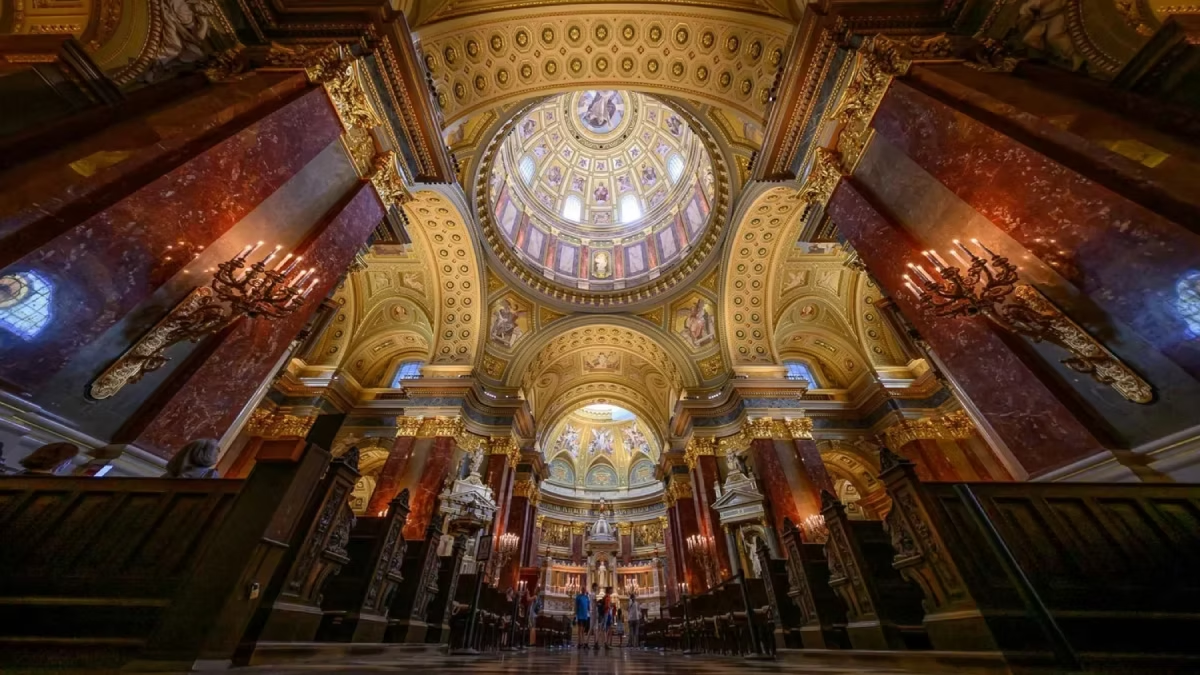
Photo Guide Interior, Exterior & Dome
Discover the best angles for photographing St. Stephen’s Basilica — from the floodlit exterior and Zrínyi utca facade to intricate dome mosaics and low-light nave details. The terrace at dusk offers unbeatable panoramic shots of Budapest.
Read guide →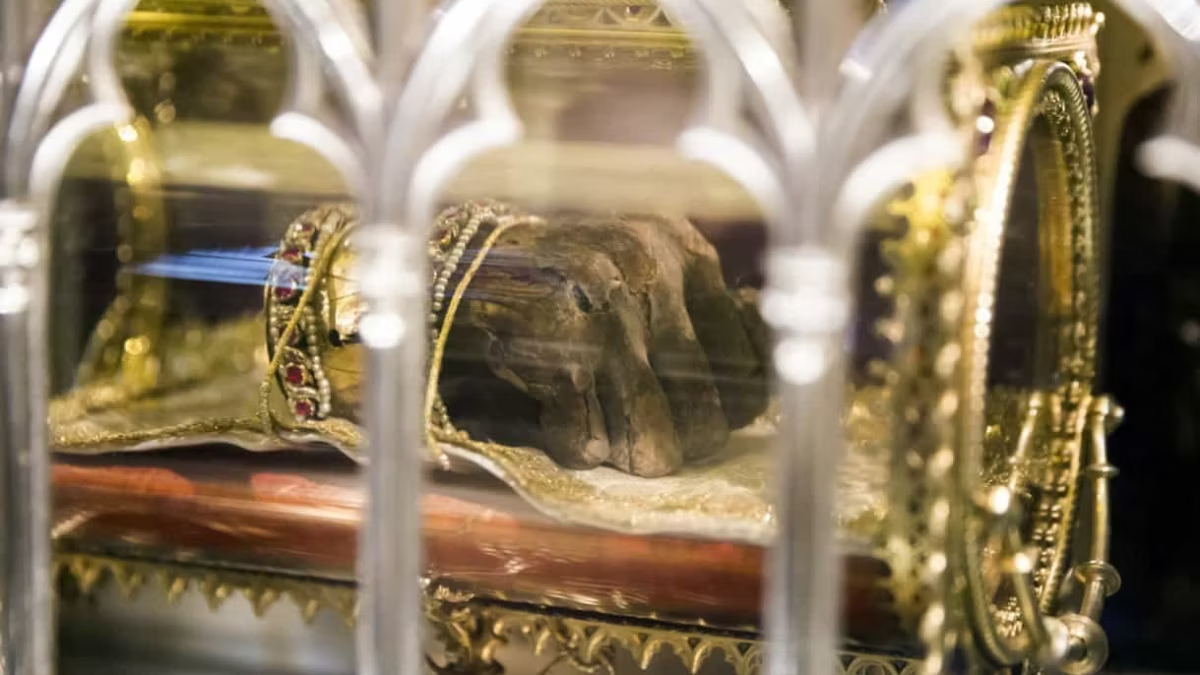
King Stephen’s Holy Right Hand
Experience the veneration of St. Stephen I’s mummified hand, a sacred relic housed in a dedicated chapel. This 10th-century artifact is Hungary’s most important religious treasure and draws pilgrims worldwide. The August 20 procession is a major celebration of this medieval legacy.
Read guide →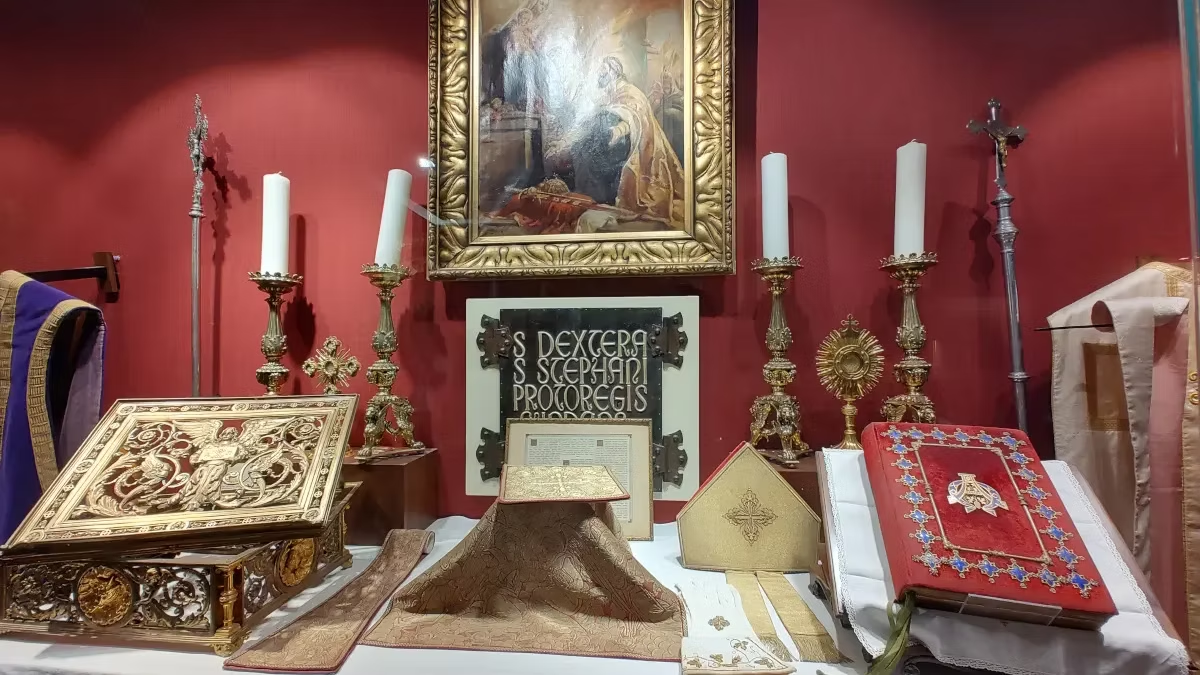
Treasury Sacred Vessels & Relics
Explore the St. Stephen’s Basilica treasury, home to sacred vessels, monstrances, vestments, and relics associated with St. Stephen the king. A smaller but fascinating collection revealing the basilica’s spiritual and historical significance. Worth 20-30 minutes of your visit.
Read guide →How St Stephens Basilica Was Built
The architecture, the collapse, and the 54-year journey to completion.
Basilica Neoclassical Architecture & Design
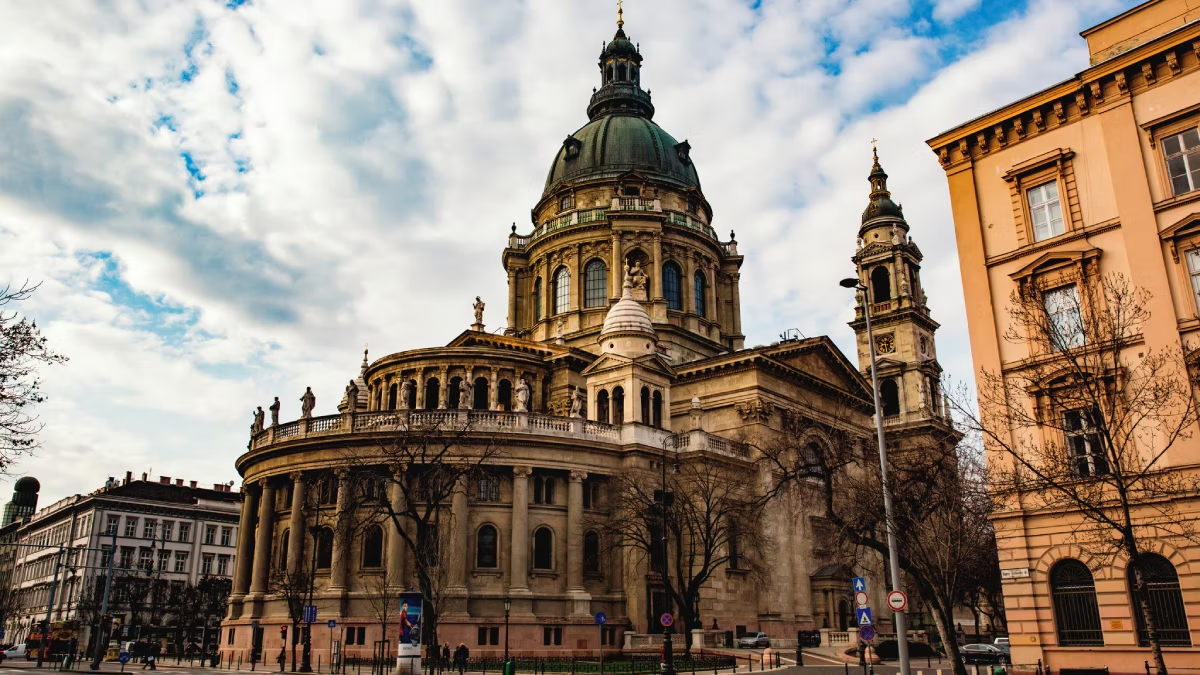
Explore St. Stephen’s Basilica’s neoclassical design by architects Hild, Ybl, and Kauser. Learn about the 1868 dome collapse and how Ybl redesigned the structure. The 96-meter dome showcases Budapest’s architectural ambition and reconstruction ingenuity.
Read guide →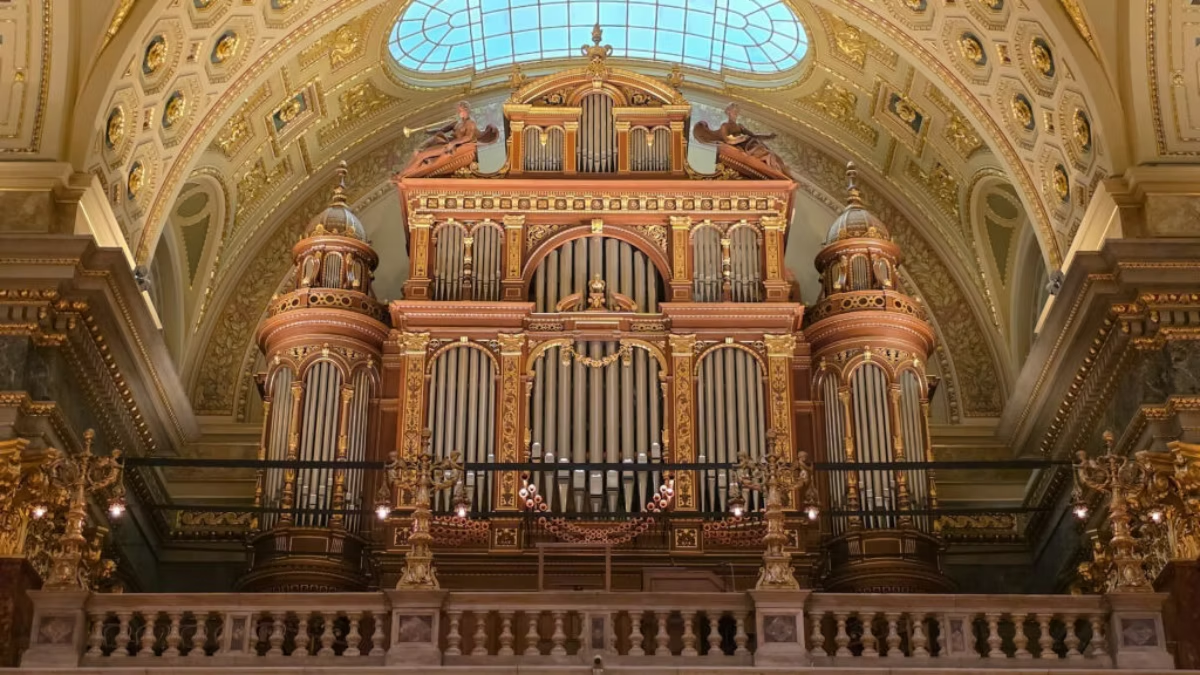
54-Year Construction & Collapse Story
Discover how St. Stephen’s Basilica took 54 years to complete (1851–1905), survived a catastrophic 1868 dome collapse, and required three architects to finish. The basilica’s dramatic construction history reflects Budapest’s resilience and architectural evolution.
Read guide →The Saint Behind St Stephens Basilica
The king who gave the basilica its name.
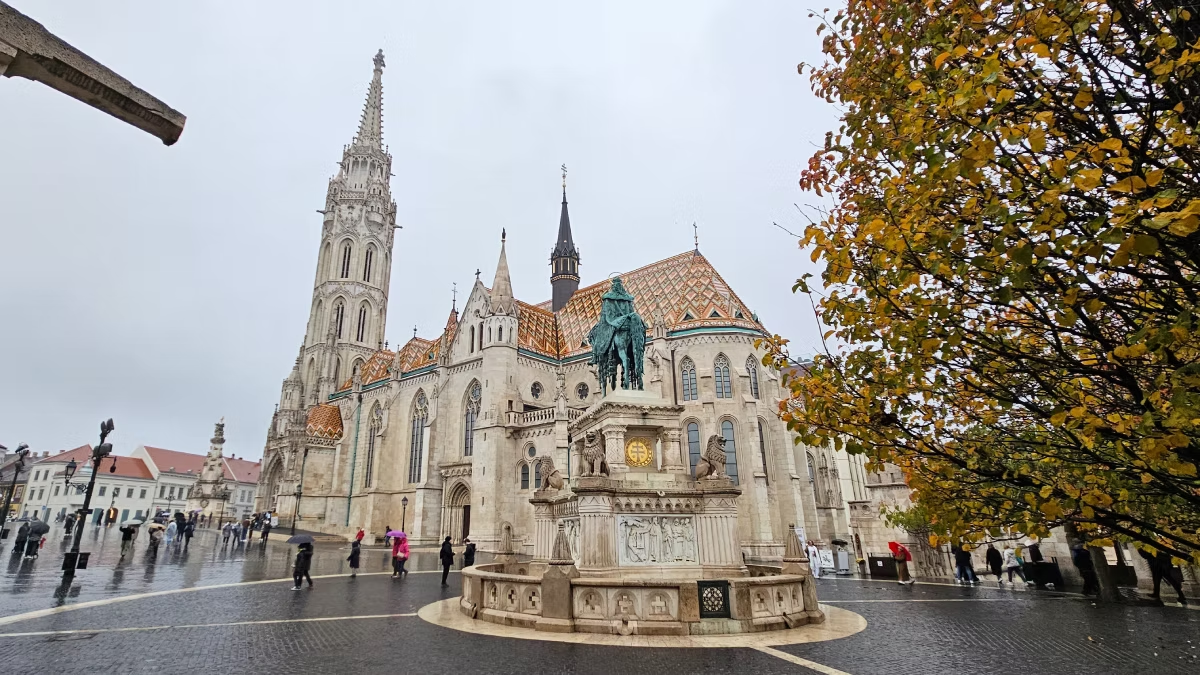
King Stephen I & Hungarian Legacy
Learn about King Stephen I (Vajk), Hungary’s first king crowned around 1000, who Christianized the nation and was canonized in 1083. His legacy shaped Hungarian identity and spirituality. The basilica honors this foundational figure whose reign defined modern Hungary’s religious and political course.
Read guide →How to Choose What to See at St Stephens Basilica
A quick guide based on your interests and visit style.
Only Have One Hour
With limited time, focus on the highlights that make this basilica unlike any other in Budapest.
- Step inside for the marble interior, golden dome and main altar — allow 20 minutes
- See the Holy Right Hand of King Stephen, Hungary’s most sacred relic
- Take the lift to the panorama terrace for 360° views over Parliament and the Danube
Architecture Enthusiasts
Three architects, a collapsed dome and a 54-year build — St Stephen’s has one of the most dramatic construction stories in Europe.
- Study the neoclassical facade and Ybl’s Renaissance Revival dome that replaced the one that collapsed in 1868
- Trace the 54-year construction saga from Hild’s original plan through to Kauser’s completion
- Examine the interior mosaics, Gyula Benczúr’s altarpiece and 96-metre dome — the 96 matches Parliament’s height by law
History And Faith Seekers
The basilica is a living shrine to Hungary’s founding king — its relics and treasury tell a thousand-year story of faith and nationhood.
- Learn why King Stephen I is still central to Hungarian identity a millennium after his coronation
- Visit the Holy Right Hand chapel — the mummified relic is paraded through Budapest every 20 August
- Browse the treasury’s sacred vessels, monstrances and ecclesiastical vestments
Photographers And Visual Lovers
Between the gilded interior, the rooftop panorama and the floodlit facade, this is one of Budapest’s most photogenic buildings.
- Use the photo guide for the best angles — dome from below, altar symmetry and exterior golden-hour shots
- Shoot the city from the panorama terrace — Parliament, Buda Castle and the Danube in one sweep
- Return after dark when the neoclassical facade is dramatically floodlit against the night sky
Continue Exploring St Stephens Basilica
Book your tickets and plan the practical details of your visit.
Tickets & Tours
Browse entry tickets, guided tours, and special concert experiences.
Explore ticket options →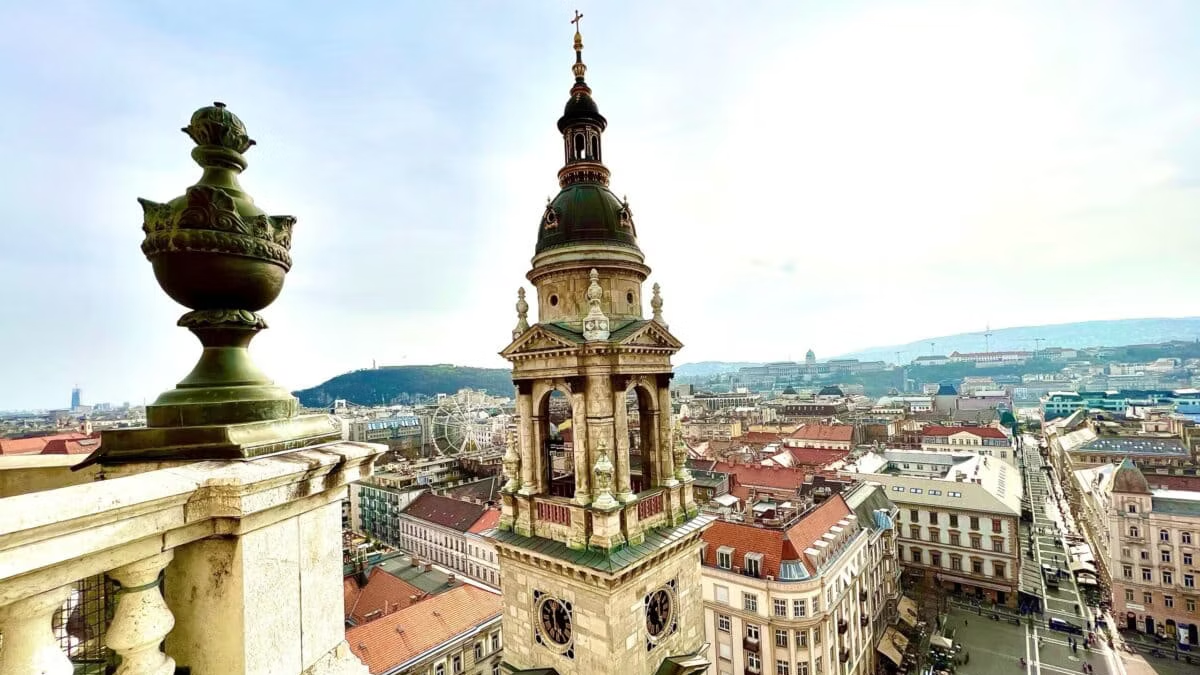
Plan Your Visit
Hours, dress codes, accessibility information, and visitor tips.
View planning guide →Frequently Asked Questions
Common questions about what to see and prioritise.